
Syrian phosphate.
High-grade, low-cadmium rock from the Palmyra deposits, shipping again through Tartus. We help buyers and investors reach it.
The deposits
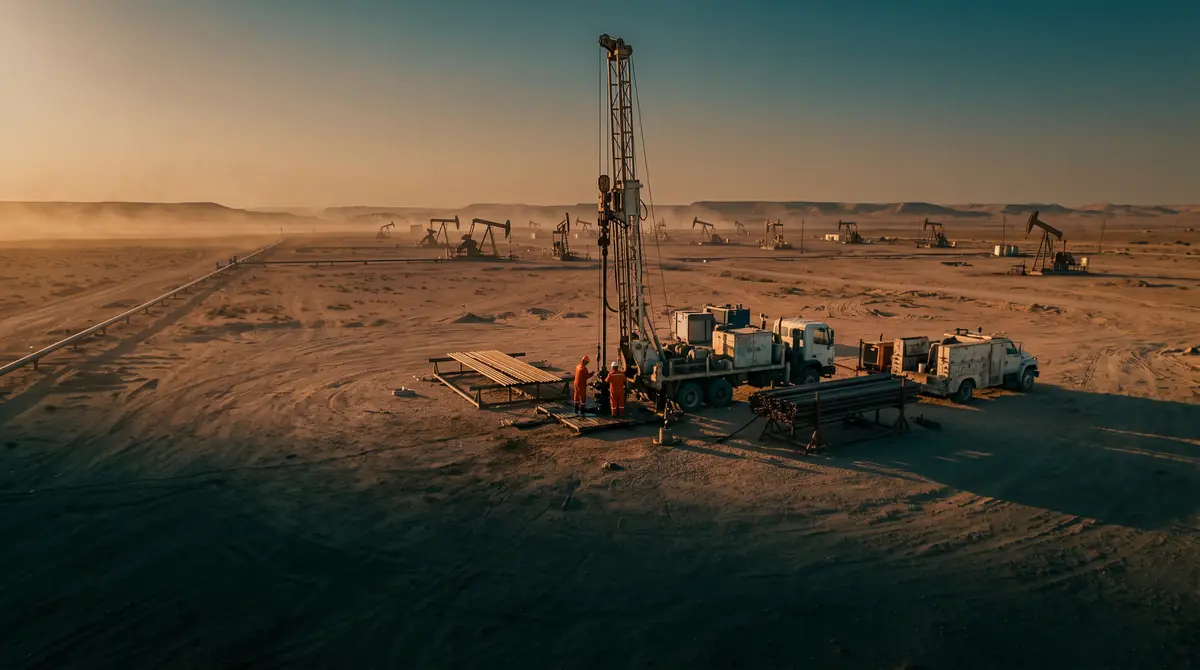
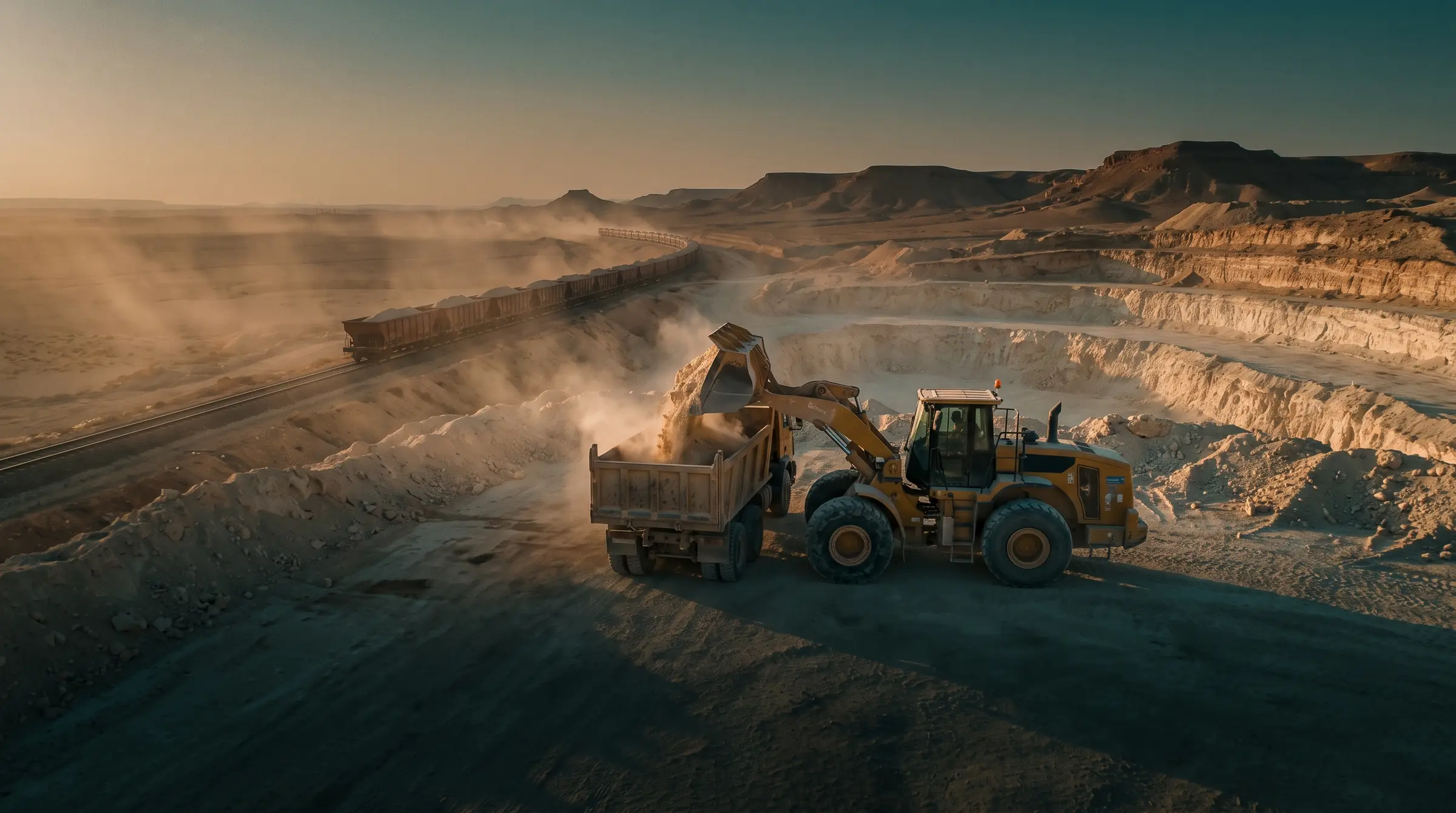
Syria's richest phosphate lies in the Palmyra chain, in the desert of Homs governorate. Rock is dried and washed at Khneifis and Sharqiya, then moves west by rail to Tartus. Part of it feeds the fertiliser plant at Homs.
| Area | Mines | P₂O₅ |
|---|---|---|
| Palmyra chain | Khneifis, Sharqiya, Rakhim | 28–34%Seams 10 to 12 m thick, up to 20 m at Sharqiya |
| Hamad | Jafifa, Thalithawat, Sijari, Habari | 18–22% |
| Coast | Ain Lailun, Ain Tina, Qalat al-Mahalba, Hammam al-Qarahla | 18–22% |
Why buyers want it
Phosphorus has no substitute in farming. Phosphate fertiliser drove the Green Revolution's jump in crop yields, and demand keeps rising while regulators tighten limits on the heavy metals it carries. That puts a premium on rock that is both rich and clean.
Grade
At 28 to 34% P₂O₅, the Palmyra seams need less upgrading before they become phosphoric acid or fertiliser, which lowers the processing cost per tonne.
Cadmium
The EU caps cadmium in phosphate fertilisers at 60 mg per kg of P₂O₅. A Khneifis sample measured 3 ppm in the rock, about 9 mg per kg of P₂O₅, well inside that limit and lower than most sedimentary rock tested.
Distance
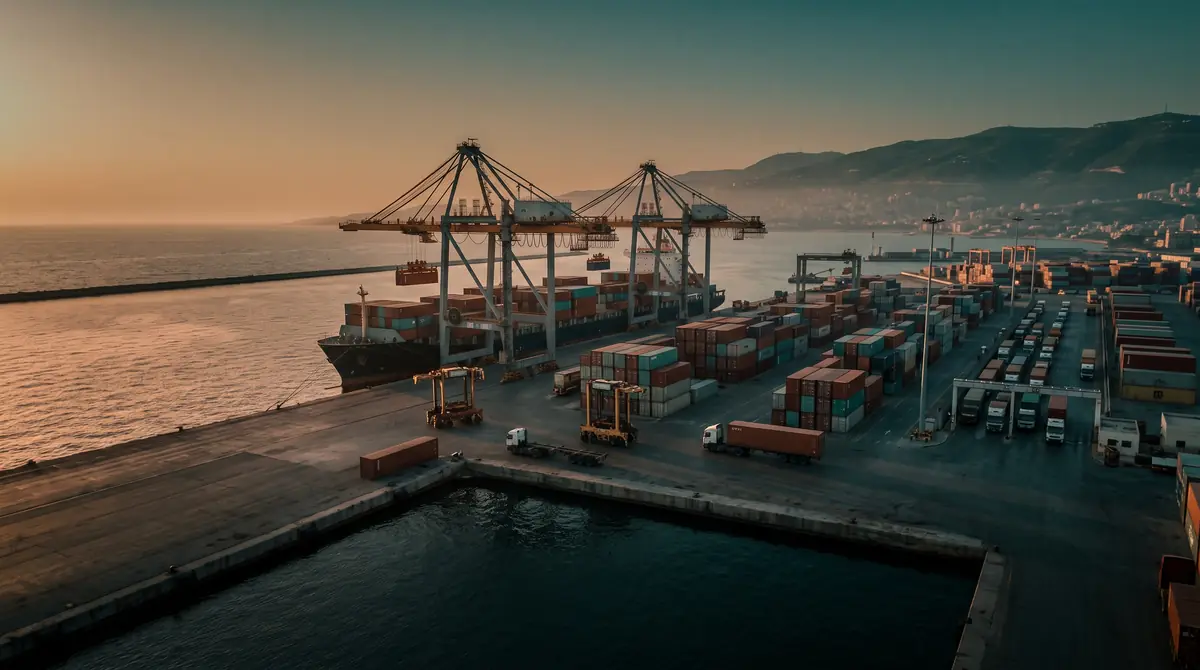
Tartus sits on the eastern Mediterranean, a short sail from southern Europe and North Africa. Shipments in 2025 went to Egypt, Romania, Türkiye, Kazakhstan and India.
Who you will deal with
Phosphate is a state-run sector. These are the bodies that sell it, license investment in it and ship it.
Back on the market
After a decade of disruption, exports restarted in 2025, and the legal and physical routes to buyers have been reopening since.
How we help
We are facilitators. We help buyers and investors find the right supply or project, reach the right people and see it through to a loaded ship.
Buying or investing in Syrian phosphate?
Tell us the grade, volume and destination. We reply directly.